
Introductory Memo
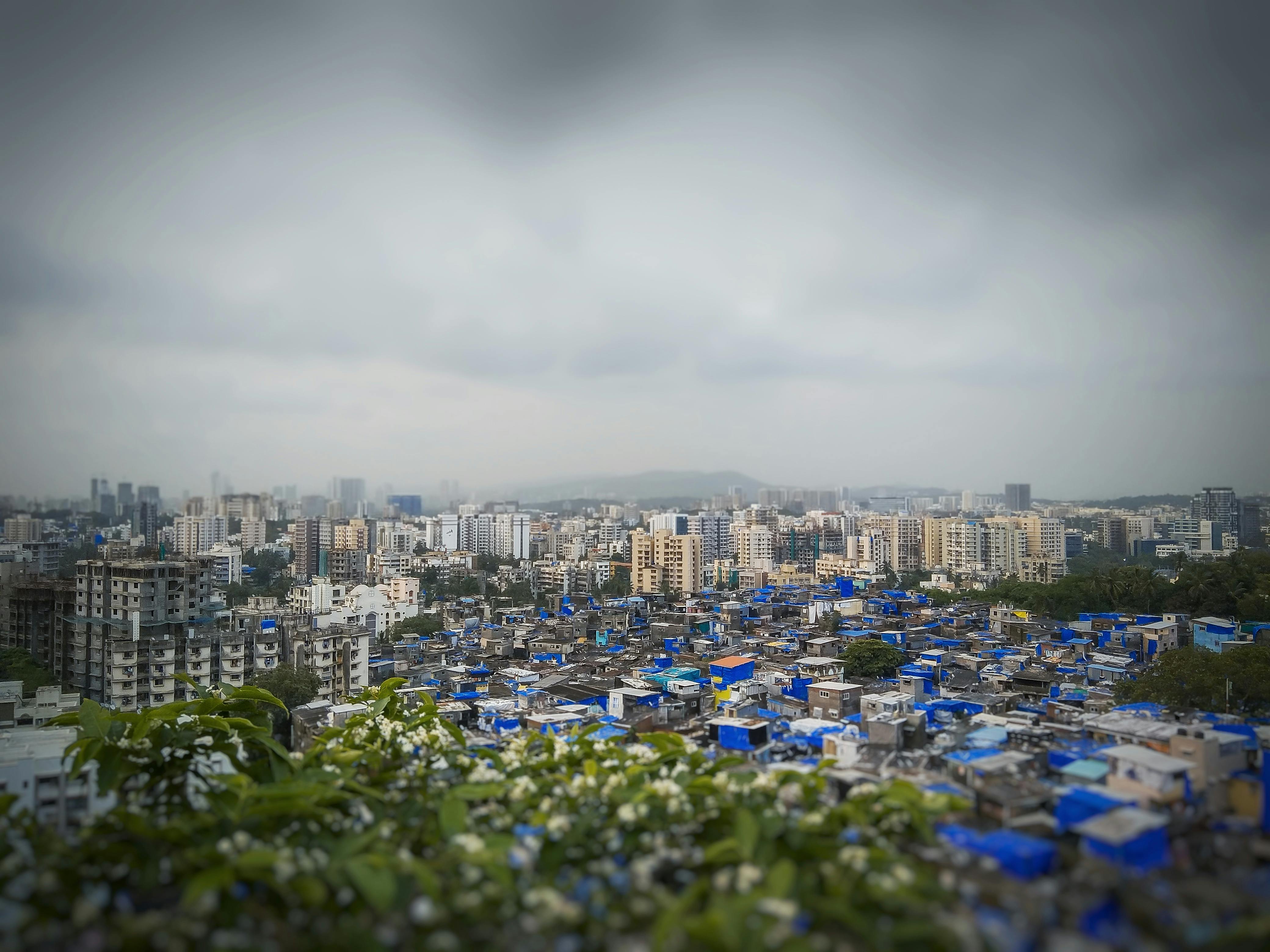
India’s cities are known to be very overcrowded. Migration of citizens from rural to urban India for the past 100 years filled the gaps between planned neighbourhoods with sprawling informal settlements. On railways lands, airport buffer zones near runways, drainage channels, and floodplains. Approximately 65 million people live across approximately 1,08,000 slums according to the Census of 2011. Mumbai alone has over 42% of the population living in informal housing majorly slums which covers barely 6-8% of the city's land. This densely packed living has a real cost, overwhelmed sewage systems, high disease and other illness burden, stalled public infrastructure projects and billions of rupees in lost urban productivity. The question many in India are now asking, whether and how to address this. The answer to the first question has long been settled but how fast and how well it can be done. Slum rehabilitation projects, from Dharavi (Largest slum in Asia) in Mumbai to jhuggi clearances in New Delhi and the bastis redevelopment in Kolkata sit at the intersection of social justice, urban planning, public health, and economic development. Let's examine what is being done, why it matters, and what the numbers say about the scale of the opportunity.